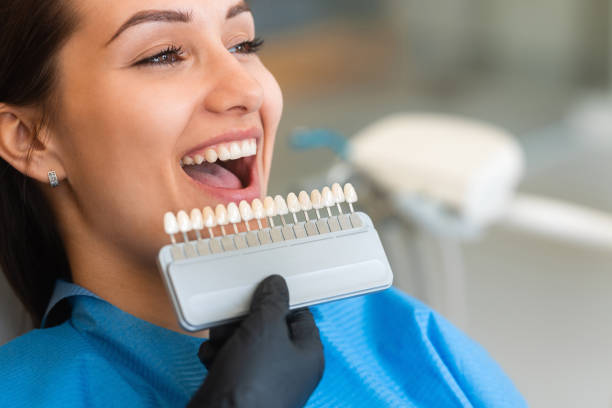
The Complete Dental Veneers Guide: Types, Costs, Care & Results 2026
What Are Dental Veneers and Who Needs Them?
Dental veneers have transformed millions of smiles over the past two decades. Whether you're dealing with stained, chipped, gapped, or misaligned teeth, veneers offer a cosmetic solution that looks natural and lasts for years. But with costs ranging from $400 to $2,800 per tooth and dozens of material options, most patients have critical questions: Are veneers right for me? How much will they really cost? Will they damage my teeth? What's the actual procedure like?
This comprehensive guide answers every question you have about dental veneers. We'll cover the seven types of veneers available in 2026, break down costs by material and location, explain the exact step-by-step procedure, reveal how to find top-rated veneer specialists, and provide expert-backed care instructions to maximize your investment. Whether you're exploring veneers for the first time or comparing options, you'll have the information needed to make a confident decision.
The bottom line: Veneers are one of the most effective cosmetic dental treatments available, with patient satisfaction rates exceeding 90%. When placed by a qualified cosmetic dentist and properly maintained, veneers can transform your smile for 10-15 years.
Types of Veneers Compared: Pros, Cons, and Costs
The veneer market has evolved significantly. Today's patients have seven distinct options, each with different preparation requirements, longevity, costs, and aesthetic outcomes.
1. Porcelain Veneers: The Gold Standard
What They Are: Thin porcelain shells custom-made in a dental lab, bonded permanently to your teeth.
Cost: $925–$2,500 per tooth Procedure Timeline: 2–3 appointments over 2–3 weeks Lifespan: 10–15 years Reversibility: No (permanent tooth preparation)
Pros:
- Most natural appearance (porcelain mimics light-reflecting properties of real enamel)
- Highly stain-resistant
- Strong and durable
- Customizable shape and color
- Can be repaired if chipped
Cons:
- Requires permanent tooth preparation (0.5–0.7mm of enamel removal)
- Irreversible procedure
- Higher cost
- Requires temporary veneers during lab work
- More fragile during preparation phase
Best For: Patients seeking maximum durability and natural appearance with budget flexibility.
2. Composite Resin Veneers: Budget-Friendly Option
What They Are: Tooth-colored composite material applied directly to your tooth and shaped by the dentist.
Cost: $400–$1,500 per tooth Procedure Timeline: Single appointment (1–2 hours) Lifespan: 5–7 years Reversibility: Yes (can be removed)
Pros:
- Most affordable option
- Can be completed in one visit (no lab wait)
- Reversible (can be removed or modified)
- Good aesthetic results for minor cosmetic issues
- Easy to repair if damaged
Cons:
- Shorter lifespan than porcelain
- More prone to staining
- Less natural appearance (material can look slightly plastic)
- Requires more maintenance
- Can chip more easily
Best For: Patients on tight budgets or those wanting to "test drive" veneers before investing in porcelain.
3. Lumineers: Ultra-Thin Porcelain Veneers
What They Are: Proprietary ultra-thin porcelain veneers (0.3mm) that often require minimal to no tooth preparation.
Cost: $800–$2,000 per tooth Procedure Timeline: 2–3 appointments Lifespan: 15–20 years (longest available) Reversibility: Mostly (minimal prep makes reversal easier)
Pros:
- Minimal or no enamel removal required
- Reversible in most cases
- Excellent longevity
- Less sensitive post-placement
- Popular celebrity choice
- Better for sensitivity-prone patients
Cons:
- Not suitable for all smile types
- More expensive than traditional porcelain
- Limited to cosmetic changes (can't close large gaps)
- May appear slightly bulky if teeth are very small
- Requires finding Lumineers-certified dentist
Best For: Patients who want longevity and reversibility with minimal tooth preparation.
4. No-Prep Veneers: Minimal-Preparation Shells
What They Are: Custom-fabricated veneers that require little to no tooth preparation, similar to Lumineers but with variations.
Cost: $1,200–$2,800 per tooth Procedure Timeline: 2–3 weeks Lifespan: 12–18 years Reversibility: Yes (minimal to no prep)
Pros:
- Preserves most natural tooth structure
- Highly reversible
- Less post-operative sensitivity
- Strong aesthetic results
- Good for patients with healthy tooth enamel
Cons:
- High cost
- May not work for severely damaged teeth
- Can appear bulky on small teeth
- Limited availability (specialized training required)
Best For: Patients with healthy teeth who want to minimize preparation while maintaining excellent aesthetics.
5. Instant Veneers: Same-Day Temporary Option
What They Are: Pre-made or quickly fabricated veneers applied in a single appointment, often as a temporary solution.
Cost: $300–$800 per tooth Procedure Timeline: Single appointment (1–3 hours) Lifespan: 2–5 years Reversibility: Yes (completely removable)
Pros:
- Most affordable option available
- Instant results (no waiting)
- Completely reversible
- Great for testing the look before permanent veneers
- Perfect for special events
Cons:
- Shortest lifespan
- Less natural appearance than custom veneers
- Limited customization options
- May not fit perfectly
- Can crack or break more easily
Best For: Patients wanting temporary coverage or those unsure about permanent veneer commitment.
6. Removable Veneers: Pop-On Smile Shells
What They Are: Custom-made removable shells that fit over existing teeth without any preparation.
Cost: $600–$1,200 per tooth Procedure Timeline: 2–3 weeks (lab fabrication) Lifespan: 3–5 years Reversibility: Yes (fully removable, non-invasive)
Pros:
- Completely non-invasive (no tooth preparation)
- Can be removed anytime
- Affordable compared to permanent options
- Good for testing aesthetic changes
- Easy to clean and maintain
Cons:
- Can feel bulky or uncomfortable
- May not stay in place during eating or talking
- Visible gaps between veneer and tooth
- Requires consistent care and proper storage
- Less natural appearance than bonded options
Best For: Patients exploring veneers without commitment or those with severe tooth sensitivity.
7. Minimal-Prep Veneers: The Middle Ground
What They Are: Custom veneers requiring light enamel preparation (less than traditional porcelain, more than no-prep).
Cost: $800–$1,800 per tooth Procedure Timeline: 2–3 weeks Lifespan: 10–12 years Reversibility: No (requires some preparation)
Pros:
- Preserves more tooth structure than traditional veneers
- More natural fit than no-prep options
- Better for gap closure than ultra-minimal prep
- Good balance of protection and aesthetics
- Strong and durable
Cons:
- Still requires some irreversible tooth preparation
- More expensive than composite
- Requires skilled cosmetic dentist
- Less longevity than full porcelain
Best For: Patients wanting a balanced approach between tooth preservation and durability.
Cost Breakdown by Material and Location
Veneer costs vary dramatically based on three factors: material choice, dentist experience level, and geographic location.
National Average Costs by Veneer Type (2026)
| Veneer Type | Cost Per Tooth | Total for 8 Teeth | Lifespan | Reversible? |
|---|---|---|---|---|
| Instant Veneers | $300–$800 | $2,400–$6,400 | 2–5 years | Yes |
| Removable Veneers | $600–$1,200 | $4,800–$9,600 | 3–5 years | Yes |
| Composite Resin | $400–$1,500 | $3,200–$12,000 | 5–7 years | Yes |
| Minimal-Prep | $800–$1,800 | $6,400–$14,400 | 10–12 years | No |
| Traditional Porcelain | $925–$2,500 | $7,400–$20,000 | 10–15 years | No |
| Lumineers | $800–$2,000 | $6,400–$16,000 | 15–20 years | Mostly |
| No-Prep Veneers | $1,200–$2,800 | $9,600–$22,400 | 12–18 years | Yes |
Regional Cost Variations (2026)
Most Expensive: New York City, Los Angeles, Miami, San Francisco ($1,500–$3,200 per tooth) High Cost: Chicago, Boston, Seattle, Washington DC ($1,000–$2,000 per tooth) Moderate Cost: Dallas, Austin, Denver, Portland ($700–$1,400 per tooth) Lower Cost: Secondary cities, rural areas ($400–$900 per tooth)
Cost Factors That Impact Your Final Price
1. Dentist Experience & Credentials
- General dentists: $600–$1,200 per tooth
- Cosmetic specialists: $1,000–$2,500 per tooth
- World-renowned cosmetic surgeons: $2,000–$4,000+ per tooth
2. Number of Veneers
- 2–4 veneers: Full price per tooth
- 6–8 veneers (full smile): 5–10% volume discount
- 10+ veneers: 10–15% volume discount
3. Lab Quality & Location
- Local labs: Standard pricing
- Premium US labs: +15–20% markup
- International labs: -30–40% (quality varies)
4. Additional Procedures
- Teeth whitening before veneers: $300–$800
- Gum contouring: $200–$500 per tooth
- Root canal or crown prep: $500–$2,000 extra
- Bone grafting (if needed): $500–$3,000
Complete Veneer Procedure Step-by-Step
Understanding what to expect during your veneer journey helps reduce anxiety and ensures you're prepared for success.
Traditional Porcelain Veneer Procedure (2–3 Appointments)
Appointment 1: Consultation & Preparation (45–60 minutes)
- Dentist examines your teeth and takes X-rays
- Discuss desired smile shape, color, and size
- Digital smile design preview (many offices offer this)
- Prepare teeth: Remove 0.5–0.7mm of enamel
- Take impression of prepared teeth
- Place temporary veneers (protects teeth during lab work)
- Confirm shade and shape with technician
Lab Work: 2–3 weeks
- Dental lab technician hand-crafts your custom veneers
- Quality labs spend 10–15 hours per tooth
Appointment 2: Try-In & Adjustments (30–45 minutes)
- Remove temporary veneers
- Try in final veneers (not bonded yet)
- Check shade, fit, and bite alignment
- Make adjustments if needed
- Return to lab for minor modifications (if necessary)
Appointment 3: Final Bonding (45–90 minutes)
- Thoroughly clean and prepare tooth surface
- Apply bonding cement to veneer
- Place veneer on tooth with precise positioning
- Remove excess cement
- Cure with blue light (hardens the bond)
- Adjust bite and polish
- Schedule follow-up appointment (usually 2 weeks)
Composite Veneer Procedure (Single Appointment)
Appointment: Placement & Shaping (1–2 hours total)
- Minimal tooth preparation (light roughing of surface)
- Apply composite material layer by layer
- Shape and sculpt to desired appearance
- Cure each layer with blue light
- Polish and refine bite
- Final adjustments and smoothing
- Fluoride application
Finding Top Veneer Dentists
How to Identify a Qualified Veneer Specialist
Credentials to Look For:
- General dentistry license (DDS or DMD)
- Cosmetic dentistry continuing education
- Prosthodontics or aesthetic residency (ideal)
- Membership in professional organizations (AAD, AACD, AGD)
- Visible certifications for Lumineers, digital smile design, etc.
Questions to Ask Your Prospective Dentist
- "How many veneer cases have you completed?"
- "What's your approach to smile design—do you use digital previews?"
- "What's your veneer material preference, and why?"
- "What's your warranty or replacement policy if veneers fail?"
- "Can I see before-and-after photos with different tooth shapes?"
- "What's your revision/replacement rate?"
- "How do you handle complications like veneer chipping?"
- "Do you offer financing or payment plans?"
Finding Top-Rated Veneer Dentists in Your Area
Online Directories & Reviews:
- Google Business Profile - Check ratings and local reviews
- Healthgrades - Verified patient reviews
- Zocdoc - Appointments + patient feedback
- Yelp Dentists - Community ratings
- American Academy of Cosmetic Dentistry - Official member directory
Professional Resources:
- American Dental Association Find-A-Dentist Tool
- American Academy of Cosmetic Dentistry (AACD) - Member directory
- Academy of General Dentistry (AGD) - Specialty-trained dentists
Local Referrals:
- Ask your general dentist for cosmetic veneer specialists
- Request referrals from friends, family, or colleagues
- Check local dental societies for specialist recommendations
Veneer Care & Maintenance
Proper care extends veneer lifespan from 10–15 years to potentially 20+ years.
Daily Care Routine
Brushing (2x daily):
- Use soft-bristled toothbrush
- Brush gently around the veneer edges
- Use non-abrasive toothpaste
- Avoid aggressive scrubbing motions
Flossing (1x daily):
- Use regular dental floss (avoid floss picks initially)
- Slide gently between veneers and natural teeth
- Clean the veneer edges thoroughly
- Never force floss between teeth
Rinsing:
- Rinse with water after meals
- Use alcohol-free mouthwash (avoid acidic rinses)
- Swish with water after acidic or sugary foods/drinks
Foods & Habits to Avoid
Foods That Stain:
- Coffee, tea, red wine, cola
- Dark sauces (soy sauce, tomato sauce, balsamic vinegar)
- Berries and dark fruits
- Curry and heavily spiced foods
Hard Foods That Can Damage:
- Ice (never chew ice)
- Hard candies and nuts
- Popcorn kernels
- Chewing on pen caps or other objects
Acidic Foods/Drinks:
- Citrus fruits and juices
- Sports drinks and energy drinks
- Soda and diet soda
- Vinegar-based dressings
Habits to Stop:
- Don't chew on fingernails
- Avoid opening packages with teeth
- Stop clenching/grinding (discuss with dentist)
- Don't use teeth as tools
Professional Maintenance
Regular Dental Visits:
- Schedule cleanings every 6 months
- Professional cleaning removes stains effectively
- Dentist checks veneer bonds for loosening
- Address any issues early
Bite Guard for Teeth Grinders:
- If you grind your teeth, get a custom night guard
- Protects veneers from stress and fractures
- Wear consistently to prevent damage
- Replace every 2–3 years
Touch-Ups & Repairs:
- Minor staining can often be polished away
- Chipped edges can be repaired with bonding material
- If damage is severe, entire veneer may need replacement
- Cost for repairs: $100–$500 per tooth
Frequently Asked Questions
Q: How long do veneers last? A: Porcelain veneers last 10–15 years on average (sometimes up to 20 years with excellent care). Composite veneers last 5–7 years. Lumineers last 15–20 years. Exact lifespan depends on material, dentist skill, and your daily care habits.
Q: Do veneers ruin your teeth? A: Traditional porcelain veneers require permanent tooth preparation, but this is minimal (0.5–0.7mm of enamel removal—about the thickness of a contact lens). This is permanent, so veneers are irreversible. However, if properly placed by a skilled dentist, they don't "ruin" teeth. Teeth remain healthy underneath the veneers. No-prep or Lumineers are reversible options if you want to avoid permanent preparation.
Q: Can you eat normally with veneers? A: Yes, you can eat most foods normally. Avoid chewing hard ice, hard candies, chewing on pen caps, or opening packages with your teeth. Be mindful of extremely sticky foods (taffy, gum). You can eat steak, apples, and crunchy foods—just use normal chewing motions without excessive force.
Q: Are veneers noticeable? A: No, quality veneers placed by skilled cosmetic dentists look completely natural. Modern veneers mimic the light-reflecting properties of real teeth. Poorly placed veneers might look slightly thick or artificial, which is why choosing an experienced dentist is critical.
Q: How much do veneers cost? A: Costs range from $400–$2,800 per tooth depending on material and location. A full smile transformation (8 teeth) typically costs $3,200–$22,400. Most insurance doesn't cover veneers (cosmetic), but some dentists offer payment plans or financing options.
Q: Can you get veneers with bad teeth? A: Yes, in most cases. Dentists can place veneers on teeth with decay, staining, small gaps, or misalignment. However, if teeth are severely decayed or have deep cavities, those must be treated first. Large gaps might require additional teeth to be veneered. Your dentist will assess your situation during a consultation.
Q: Will veneers affect your speech? A: Not typically. You might notice a slight speech change for a few days as your mouth adjusts, but this resolves quickly. If you experience prolonged speech issues, contact your dentist—the veneers may need bite adjustment.
Q: Can veneers get cavities? A: The veneer itself can't get a cavity, but the tooth underneath can if bacteria get between the veneer and tooth edge. This is rare with proper care, but it's why excellent oral hygiene and regular dental visits are crucial. If a cavity does develop, the veneer must be removed, the cavity treated, and a new veneer placed.
Q: Are veneers covered by dental insurance? A: Usually not. Since veneers are cosmetic, most insurance plans don't cover them. However, some insurance may cover veneers if they're medically necessary (e.g., after trauma). Check with your insurance provider. Many dental offices offer payment plans or financing through companies like Care Credit.
Q: What's the difference between veneers and bonding? A: Composite bonding is similar to composite veneers but typically covers less tooth surface and costs less ($200–$600 per tooth). Veneers are more durable and aesthetically refined. Bonding is better for small cosmetic fixes; veneers are better for full smile transformations.
Q: Can veneers be whitened if they stain? A: No, veneers can't be whitened like natural teeth. However, most veneers are highly stain-resistant. If staining occurs, it's usually removable through professional polishing. If deep stains develop, the veneer may need replacement. To prevent staining, avoid dark beverages and use a straw for coffee, tea, and wine.
Q: Do veneers feel different? A: Veneers may feel slightly different for a few days, but most patients adjust quickly. You might notice a slight edge where the veneer meets the tooth, but this should feel smooth if properly bonded. If you notice a rough edge after one week, contact your dentist for polishing.
Q: What happens if a veneer cracks or breaks? A: If a veneer chips or breaks, contact your dentist immediately. Minor chips can often be repaired with composite bonding ($100–$300). If damage is extensive, the veneer needs replacement ($800–$2,500). This is why proper care and avoiding hard foods are important.
Q: Can you get veneers if you grind your teeth? A: Yes, but you'll need a custom night guard to protect veneers from grinding stress. Without a guard, veneers are more likely to crack or chip. Grinding is one of the leading causes of veneer damage.
Q: Is veneer placement painful? A: No. Tooth preparation uses anesthesia, so you feel pressure but no pain. Some patients experience mild sensitivity after placement, which typically subsides within a week. Over-the-counter pain relievers help if needed. Contact your dentist if sensitivity persists beyond one week.
Q: How do you choose veneer color? A: Your dentist will help match veneers to your natural tooth color or guide you toward a shade that complements your skin tone. Many offices use digital smile design software so you can preview the result before placement. It's crucial to decide on shade before veneers are sent to the lab.
Q: Can veneers be removed? A: Traditional porcelain veneers are difficult to remove without damaging underlying teeth. Removal requires breaking the veneer and removing the bonding cement—a destructive process. Once removed, you'll likely need a new veneer or crown. No-prep veneers, Lumineers, and composite veneers are more easily removable.
Q: Do I need a root canal before veneers? A: Only if your tooth has a cavity or prior root canal damage. If your tooth is healthy, no root canal is needed before veneer placement. Your dentist will assess during consultation.
Q: How often do veneers need replacement? A: Porcelain veneers last 10–15 years before needing replacement. Lumineers last 15–20 years. Composite veneers last 5–7 years. This depends on care and bite forces. Some patients get 20+ years from a single veneer; others need replacement sooner if damaged.
Quick Comparison Charts
Veneer Types At-A-Glance
| Feature | Porcelain | Composite | Lumineers | No-Prep | Removable |
|---|---|---|---|---|---|
| Cost | $$$ | $ | $$ | $$ | $ |
| Longevity | 10–15 yrs | 5–7 yrs | 15–20 yrs | 12–18 yrs | 3–5 yrs |
| Natural Look | Excellent | Good | Excellent | Excellent | Fair |
| Tooth Prep | Yes (0.5mm) | Minimal | Minimal/No | No | No |
| Reversible | No | Yes | Mostly | Yes | Yes |
| Stain Resistant | Excellent | Fair | Excellent | Excellent | Fair |
| Speed | 2–3 weeks | 1 day | 2–3 weeks | 2–3 weeks | 2–3 weeks |
| Best For | Durability | Budget | Longevity | Preservation | Testing |
Decision-Making Flowchart
Start Here: What's Your Primary Goal?
Durability & Aesthetics → Porcelain Veneers or Lumineers ($800–$2,500/tooth)
Budget-Conscious → Composite Resin ($400–$1,500/tooth)
Maximum Tooth Preservation → No-Prep or Lumineers ($800–$2,800/tooth)
Testing Before Commitment → Removable Veneers or Composite ($300–$1,200/tooth)
Immediate Results → Composite or Instant Veneers ($300–$1,500/tooth)
Veneer Cost Estimator by Smile Size
| Smile Size | Teeth Involved | Porcelain Cost | Composite Cost | Timeline |
|---|---|---|---|---|
| Single Tooth | 1 tooth | $925–$2,500 | $400–$1,500 | 2–3 weeks |
| Partial Smile | 2–4 teeth | $1,850–$10,000 | $800–$6,000 | 2–3 weeks |
| Full Smile | 6–8 teeth | $5,550–$20,000 | $2,400–$12,000 | 2–3 weeks |
| Complete Transformation | 10+ teeth | $9,250–$28,000+ | $4,000–$15,000+ | 2–3 weeks |
External Resources for Further Research
Professional Organizations & Associations
- American Academy of Cosmetic Dentistry (AACD) - Standards for cosmetic dental care
- American Dental Association (ADA) - Patient education and dentist finder
- Academy of General Dentistry (AGD) - General and cosmetic dentistry resources
- International Academy of Cosmetic Dentistry (IACD) - Global cosmetic standards
Finding Dentists & Reviews
- Healthgrades Cosmetic Dentists - Verified patient reviews
- ZocDoc Cosmetic Dentistry - Appointment booking + reviews
- Google Business Reviews - Local dentist ratings
- Better Business Bureau (BBB) Dentists - Business ratings and complaints
Educational Resources on Cosmetic Dentistry
- MouthHealthy.org - Cosmetic Dentistry Guide - ADA patient education
- National Institute of Dental and Craniofacial Research - Scientific research on dental procedures
- Dental Board Licensure Verification - Verify dentist credentials
- Journal of Cosmetic Dentistry - Professional research articles
Financing & Insurance Options
- Care Credit Dental Financing - Payment plans for dental work
- Dental Insurance Plans - Insurance marketplace options
- Discount Dental Plans Association - Discount dental plan directory
- Local Dental Schools - Reduced-cost veneer treatments
Product & Material Information
- Lumineers Official - No-prep veneer information
- Dental Veneer Materials Guide - Material specifications
- Porcelain vs Composite Veneers Research - Scientific studies on veneer longevity
- Digital Smile Design Tools - Veneer visualization technology
🎥 Related Video
**"What Are Dental Veneers Complete Guide" by Smile Direct Club
Source: Smile Direct Club on YouTube